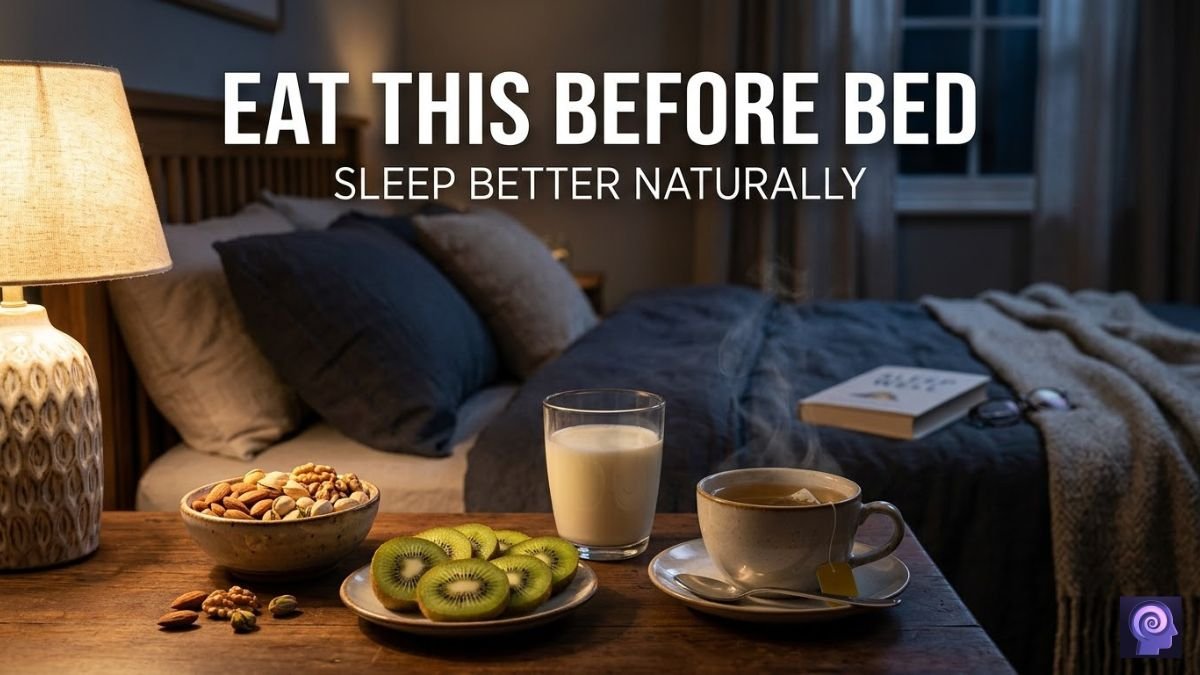
You brush your teeth, turn off the lights, and lie down — but sleep just will not come. You toss and turn, stare at the ceiling, and wonder why your body refuses to switch off. What most people do not realize is that the answer might already be sitting in their kitchen. The foods you eat in the hours before bed have a powerful and direct impact on how quickly you fall asleep, how deeply you sleep, and how rested you feel when you wake up.
The best foods to eat before bed for better sleep are not exotic or expensive. Many of them are everyday foods you already know. But knowing which ones to eat, when to eat them, and why they work makes all the difference. This article breaks it all down clearly, so you can start improving your sleep tonight — one smart snack at a time.
Also Read



Best Foods to Eat Before Bed for Better Sleep
Before diving into the food list, here is something worth understanding. Certain nutrients play a direct role in how your body prepares for sleep. The three most important ones are:
- Tryptophan — an amino acid your body converts into serotonin and then into melatonin, the hormone that controls your sleep cycle
- Magnesium — a natural muscle relaxer that calms your nervous system and helps you drift off
- Melatonin — the sleep hormone found naturally in a small number of foods
The goal when choosing a bedtime snack is to pick a mix of complex carbohydrates with fiber and protein, to keep blood sugar stable through the night, while also choosing foods that are natural sources of melatonin or tryptophan. With that principle in mind, here are the best foods to add to your evening routine.
Image Description: A flat-lay overhead shot of a wooden tray holding a small bowl of mixed nuts, a glass of warm milk, two kiwi fruits cut in half, and a cup of chamomile tea on a soft linen background — representing a calming and sleep-friendly bedtime snack spread.
1. Tart Cherries and Tart Cherry Juice
If there is one food that sleep experts mention more than any other, it is tart cherries. Tart cherries are one of the few natural food sources of melatonin — the hormone that signals to your body that it is time to wind down.
Tart cherries are a natural source of the sleep-inducing hormone melatonin, and enjoying a glass of tart cherry juice before bed is one of the simplest ways to use food to support better sleep. Research has also found that people who regularly consumed tart cherry juice slept longer at night compared to those who did not.
How to Use It
You do not need a large amount. A small glass of unsweetened tart cherry juice — about 8 ounces — in the evening is enough to start seeing benefits. If juice is not your preference, a small portion of dried or fresh tart cherries works as well. Look for Montmorency cherries specifically, as these are the variety most studied for sleep benefits.
2. Nuts — Especially Almonds, Walnuts, and Pistachios
A small handful of nuts before bed is one of the easiest and most effective sleep-supporting snacks you can have. Many nuts such as almonds, walnuts, and pistachios contain melatonin, along with magnesium and zinc, which together can help support a better night’s sleep.
Each type of nut brings something slightly different to the table. Pistachios generally contain higher amounts of melatonin than other nuts, while almonds are high in calcium which is important for melatonin production. Most nuts also contain electrolytes like calcium, potassium, and magnesium that can help prevent nighttime leg cramps.
How to Use It
Keep it simple. A small handful — roughly one ounce — is enough. You can eat them plain, spread some nut butter on a rice cake, or mix a few into a small bowl of oatmeal. They are an easy, no-prep snack that provides key sleep nutrients without feeling too heavy before bed.
Image Description: A small white ceramic bowl filled with a mix of almonds, walnuts, and pistachios on a dark wooden surface beside a dim bedside lamp — representing a simple and satisfying evening snack for better sleep.
3. Kiwi Fruit
This small green fruit might be the most underrated sleep food out there. In one study, people who ate two kiwis one hour before bedtime found that they fell asleep faster, slept more, and had better sleep quality overall.
Why does kiwi help with sleep? Kiwi contains a high concentration of serotonin, which is a precursor for the hormone melatonin that regulates your sleep-wake cycle. Kiwis are also rich in antioxidants and folate, both of which support the body’s ability to produce the hormones needed for restful sleep.
How to Use It
Eat two kiwis about one hour before bed. They are light, refreshing, low in calories, and require zero preparation. Just slice and eat. If you want to mix things up, blend one kiwi into a small smoothie with a little banana and almond milk for a satisfying, sleep-friendly evening drink.
4. Warm Milk or Dairy Products
There is a reason warm milk before bed has been passed down through generations — it genuinely works. Warm milk is almost a cocktail of sleep-inducing nutrients, including tryptophan, magnesium, potassium, calcium, and vitamin D.
The tryptophan in dairy helps your body produce serotonin, which then converts into melatonin. The calcium in milk also helps your brain use that tryptophan more efficiently, which means the effect is stronger than many other tryptophan-containing foods eaten on their own.
Many herbs often found in teas like chamomile and mint are considered sleep-inducing, while the dairy in warm milk is effective as well, according to sleep medicine experts at Northwestern Medicine.
How to Use It
Warm a cup of milk on the stove or in the microwave. Add a few drops of vanilla extract or a small pinch of cinnamon for flavor. Greek yogurt is another excellent dairy option — it is higher in protein and pairs well with a few nuts or a drizzle of honey as a light evening snack.
Image Description: A cozy close-up of two hands wrapped around a white mug of warm milk on a soft blanket, with a blurred background showing a dimly lit bedroom — representing a calm, comforting pre-sleep ritual.
5. Chamomile Tea and Other Herbal Teas
Sometimes the best thing you can eat before bed is actually something you drink. Chamomile tea has been used as a sleep remedy for centuries, and modern research supports what people have known for a long time. Research shows chamomile can improve sleep quality, and it is one of the most widely available and accessible herbal teas you can find in your local grocery store.
Chamomile contains an antioxidant called apigenin, which binds to receptors in the brain that reduce anxiety and encourage relaxation. Passionflower tea is another herbal tea that may promote sleepiness, with research suggesting it increases production of the brain chemical GABA, which works to calm other brain chemicals that induce stress.
How to Use It
Brew one cup of chamomile, passionflower, or valerian root tea about 30 to 45 minutes before bed. Choose caffeine-free varieties only. Avoid green tea, black tea, and regular mint tea in the evening as these can contain caffeine. Sipping warm herbal tea is also a great wind-down ritual that signals to your brain that the day is ending.
6. Oatmeal or Whole-Grain Toast
If you are the kind of person who gets genuinely hungry before bed, a small portion of complex carbohydrates is one of the smartest choices you can make. Eating complex carbohydrates such as whole-wheat toast or a bowl of oatmeal before bed is recommended by sleep experts at Johns Hopkins Medicine as a smarter option than sugary or high-fat snacks.
Complex carbohydrates digest slowly, which keeps your blood sugar stable throughout the night. Stable blood sugar means fewer nighttime awakenings, more consistent deep sleep, and a more refreshed feeling in the morning. In a study published in the Journal of Clinical Sleep Medicine, eating a higher-fiber diet was associated with less nighttime awakenings and more restorative slow-wave sleep.
How to Use It
Keep the portion small. A half cup of oatmeal made with water or milk, or one slice of whole-grain toast with a thin spread of almond butter, is the ideal amount. Avoid loading oatmeal with sugar or syrup — the goal is steady blood sugar, not a sugar spike.
Image Description: A small white bowl of plain oatmeal with a few blueberries and a drizzle of honey on a wooden kitchen table in the evening, with a dimly lit warm kitchen background — representing a light and nutritious pre-sleep snack.
7. Turkey or Tuna — Small Portions Only
Both turkey and tuna are excellent sources of tryptophan, making them genuinely useful for sleep when eaten in the right amounts. Turkey is rich in the amino acid tryptophan, which your body uses to produce serotonin and melatonin.
Tuna is also a source of tryptophan and vitamin B6. Vitamin B6 is needed to help convert tryptophan into serotonin, and low levels of serotonin have been linked to decreased melatonin production, which can negatively impact sleep-wake cycles.
How to Use It
The key word here is small portions. A heavy protein meal right before bed can actually disrupt sleep because it takes longer to digest. Instead, try half a turkey sandwich on whole-grain bread, or a small portion of tuna on a few whole-grain crackers. Keep the serving size light and combine it with a small amount of complex carbohydrates to maximize the tryptophan effect.
Foods to Avoid Before Bed
Knowing what to eat is only half the picture. Knowing what to avoid is just as important.
Simple carbohydrates and saturated fats both reduce serotonin and can be difficult to digest, so it is best to avoid high-fat foods like burgers, pizza, chips, and fast food, as well as spicy foods, sugary foods like pastries and ice cream, acidic foods like tomatoes and citrus, and any caffeinated food or drinks close to bedtime.
Alcohol is another common sleep disruptor that many people overlook. While having an alcoholic drink before bed might help someone relax and fall asleep more quickly, it tends to lead to disrupted sleep later in the night. The quality of sleep suffers significantly, even if you fall asleep faster.
When Should You Eat Before Bed?
Timing matters just as much as what you eat. To get the most benefit from sleep-enhancing foods, it is best to consume them two to three hours before going to bed. Eating immediately before sleeping may cause digestive issues such as acid reflux.
If you finish dinner early and feel hungry again close to bedtime, a light snack of around 150 to 200 calories — such as a handful of nuts, a kiwi, or a small bowl of oatmeal — is perfectly fine and can actually support better sleep compared to going to bed hungry.
A Simple Evening Food Plan for Better Sleep
Here is an easy approach to structure your evening eating for the best possible sleep:
- Dinner (6:00–7:00 PM) — A balanced meal with lean protein, whole grains, and vegetables. Good options include salmon with brown rice, or a chicken and quinoa bowl.
- Evening snack (8:30–9:00 PM) — A light, sleep-friendly snack such as two kiwis, a small handful of nuts, or one slice of whole-grain toast with almond butter
- Before bed (9:30–10:00 PM) — A warm cup of chamomile tea or a small glass of warm milk
This simple structure keeps your digestion comfortable, your blood sugar stable, and your body well-stocked with the nutrients it needs to produce melatonin and serotonin naturally.
Image Description: A realistic overhead shot of a calm evening dinner table set with a grilled salmon fillet, a side of brown rice, steamed broccoli, a glass of water, and a small bowl of mixed nuts on the side — representing a complete and sleep-supportive evening meal.
Final Thoughts
Sleep is not just about what time you go to bed or how dark your room is. What you put into your body in the hours before sleep has a genuine, measurable impact on your sleep quality. The best foods to eat before bed for better sleep are not complicated — they are real, whole foods that your body recognizes and uses to naturally produce the hormones and chemicals needed for deep, restful sleep.
Start with one change this week. Swap your evening snack for a handful of nuts or a couple of kiwis. Trade your evening coffee for chamomile tea. Add warm milk to your nighttime routine. Small shifts, done consistently, lead to noticeably better sleep — and better sleep leads to a better everything else.




 Important Notice -The content on this website is provided for general informational and educational purposes only. It is not a substitute for professional medical advice, diagnosis, or treatment. Always consult a qualified healthcare provider before making any health-related decisions.