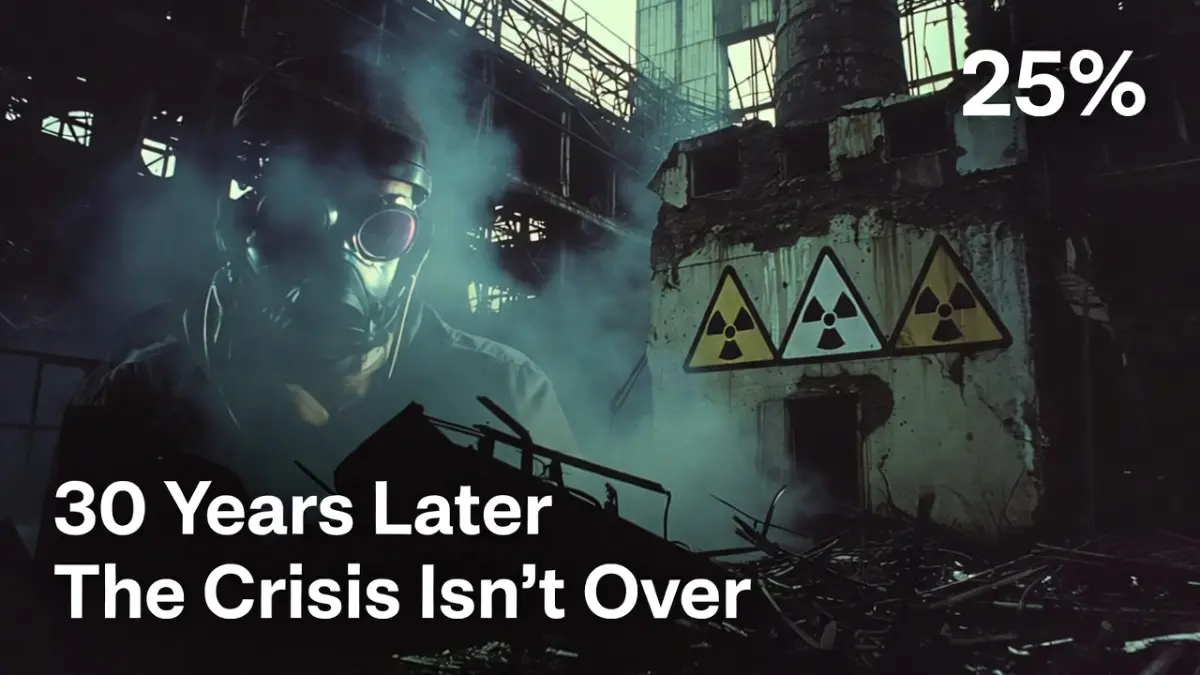
Three decades have passed since the world’s worst nuclear disaster, yet the health consequences of Chernobyl continue to unfold in ways that shock even seasoned medical professionals. What started as a single catastrophic explosion on April 26, 1986, set in motion a cascade of health crises that would affect not just thousands, but potentially millions of people across Europe and beyond.
The numbers are staggering: over 800,000 cleanup workers exposed to lethal radiation doses, 350,000 people forcibly evacuated from contaminated zones, and approximately 8.3 million citizens in Ukraine, Belarus, and Russia living with dangerous levels of radioactive fallout. But these statistics only scratch the surface of a health crisis that researchers are still working to fully understand today.
Also Read

What makes the Chernobyl disaster particularly alarming is that its effects didn’t stop at the Soviet border. Radioactive clouds drifted across nearly all of Europe, depositing dangerous particles that would contaminate food, water, and air for generations. Even in Germany, particularly in Bavaria and Baden-Württemberg, significant radioactive fallout was detected. To this day, wild game and forest products from Bavarian regions contain health-damaging levels of radioactive cesium.
The Explosion That Changed Everything
In the early morning hours of April 26, 1986, reactor 4 of the Soviet nuclear power plant in Chernobyl exploded in what would become the defining nuclear catastrophe of the 20th century. The reactor core could no longer be cooled, triggering an uncontrolled nuclear chain reaction that released enormous quantities of radioactive particles into the atmosphere.
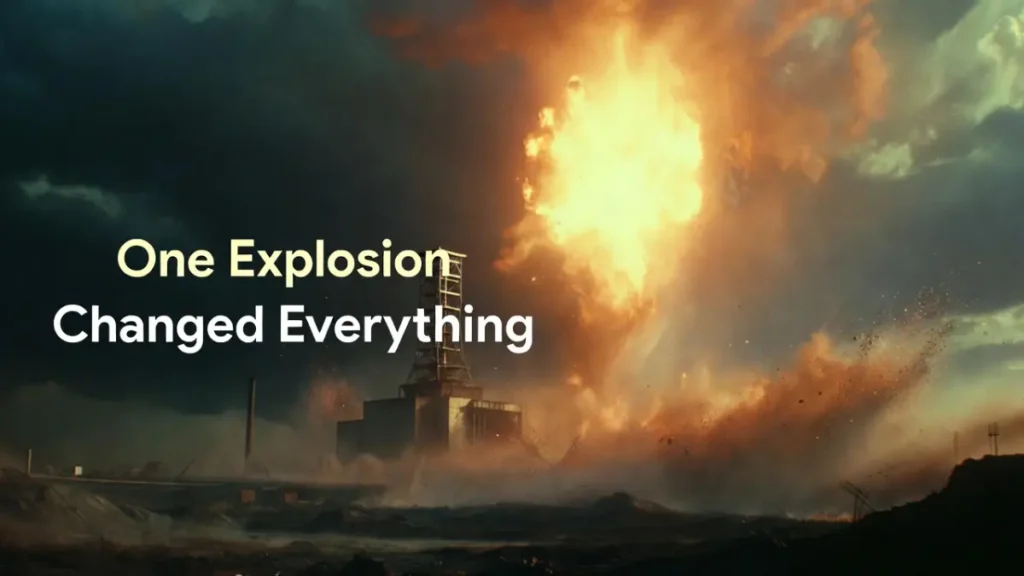
What followed was a nightmare scenario that played out over weeks and months. Radioactive clouds carried dangerous isotopes across Europe, settling on farmland, forests, cities, and waterways. The distribution of this contamination was shockingly widespread: approximately 36 percent of radioactive cesium fell over Belarus, Russia, and Ukraine, while about 53 percent settled over the rest of Europe. The remaining 11 percent dispersed across the globe.
This meant that millions of people across Europe came into contact with radioactive isotopes like iodine-131 and cesium-137, inhaling contaminated air and consuming contaminated food, milk, and drinking water. The health implications would prove far more severe and long-lasting than anyone initially imagined.
The Liquidators: Heroes at a Terrible Cost
More than 800,000 cleanup and disaster workers, known as liquidators, worked in the immediate vicinity of the destroyed power plant in the weeks and months following the catastrophe. These individuals received the highest radiation doses and suffered the most severe health damage.
The liquidators faced unimaginable conditions as they worked to contain the disaster. They built the initial sarcophagus over the destroyed reactor, cleared radioactive debris, and attempted to prevent further contamination spread. Many worked with inadequate protective equipment, unaware of the true extent of their exposure.
The health consequences for these workers have been devastating. Studies tracking liquidators over the following decades revealed significantly elevated rates of leukemia, lymphomas, and solid tumors affecting the prostate, skin, kidneys, intestines, and breasts. Beyond cancer, liquidators also experienced dramatically higher rates of cardiovascular disease, cataracts, hormonal disorders, and premature aging.
How Radiation Damages the Body
Understanding the health effects of radioactive exposure requires knowing how these particles interact with human tissue. Cesium-137, for example, behaves like potassium in the body, allowing it to be incorporated into nearly every tissue type. Once lodged in tissue, cesium-137 damages neighboring cells through constant radiation emission.
The cellular damage manifests in multiple ways:
- Cell death and tissue necrosis
- Programmed cell death called apoptosis
- DNA mutations that can be passed to future generations
- Malignant transformation of healthy cells into cancer
- Chromosomal abnormalities
- Weakened immune system function
- Autoimmune diseases
- Premature aging at the cellular level
This damage doesn’t occur instantly. Instead, it accumulates over time, with some effects appearing years or even decades after initial exposure. This delayed manifestation makes tracking the full health impact of Chernobyl extraordinarily challenging.
The Cancer Epidemic Nobody Talks About
When discussing Chernobyl’s health legacy, most people immediately think of thyroid cancer, which saw a dramatic increase in affected regions. However, the cancer story is far more complex and disturbing than this single disease would suggest.
Thyroid Cancer Surge
The most well-documented health consequence remains the massive increase in thyroid cancer cases, particularly in the most heavily contaminated areas of Belarus, Ukraine, and Russia. What shocked medical researchers was how quickly this increase appeared. Just three to four years after the disaster began, thyroid cancer rates in children started climbing at unprecedented rates.
The trend continued as these children became adolescents and adults. Studies showed that thyroid cancer risk increased significantly in direct proportion to exposure to iodine-131. While nuclear industry representatives claim only 4,000 additional thyroid cancer cases resulted from Chernobyl, independent scientific calculations paint a far grimmer picture.
The United Nations Scientific Committee on the Effects of Atomic Radiation calculated a collective thyroid dose of approximately 2.4 million person-Gray for all of Europe. Using established risk factors, researchers estimate that approximately 21,000 people will develop thyroid cancer as a result of Chernobyl, though actual numbers likely run much higher due to underestimated exposure levels and risk calculations.
Beyond Thyroid: The Full Cancer Spectrum
The intense focus on thyroid cancer has unfortunately overshadowed other cancer increases that are equally alarming. Among liquidators and residents of heavily contaminated areas, researchers documented significantly elevated rates of multiple cancer types:
- Leukemia and lymphomas
- Prostate cancer
- Skin cancers
- Kidney malignancies
- Intestinal cancers
- Breast cancer in women
The total cancer burden from Chernobyl remains hotly debated, with estimates varying wildly depending on the source. The International Atomic Energy Agency, whose statutory goal includes promoting civilian nuclear energy, estimates approximately 5,000 to 19,000 additional cancer cases in the most affected Soviet populations.
However, Soviet authorities provided data suggesting a collective dose of 2.4 million person-Sievert for all of Europe, which would translate to roughly 216,000 to 842,000 additional cancer cases, with about half resulting in death. A study published in the International Journal of Cancer estimated approximately 41,000 additional cancer cases and more than 15,000 cancer deaths across Europe attributable to Chernobyl.
The Hidden Victims: Non-Cancer Health Effects
While cancer dominates discussions of radiation health effects, numerous non-malignant diseases have emerged as significant consequences of Chernobyl exposure. These conditions are only now being fully understood and may ultimately affect as many people as cancer itself.
Cardiovascular Disease
One of the most surprising findings from long-term health monitoring has been the elevated rates of heart attacks and strokes among exposed populations. Ionizing radiation damages blood vessels and heart tissue in ways researchers are still working to fully understand. The cardiovascular disease burden from Chernobyl may rival the cancer burden in terms of total affected individuals.
Other Systemic Effects
Beyond heart disease, radiation exposure from Chernobyl has been linked to:
- Cataracts and other eye disorders
- Hormonal dysregulation affecting thyroid, reproductive, and other endocrine organs
- Chronic immune system dysfunction
- Accelerated aging of multiple organ systems
- Neurological disorders
- Chronic fatigue and reduced quality of life
These non-cancer effects receive far less attention than malignancies but significantly impact the daily lives of affected individuals and place substantial burdens on healthcare systems in affected regions.
The Tragedy of the Unborn
Perhaps the most heartbreaking consequences of Chernobyl involve children who were never born or who were born with severe health challenges. Within just a few years of the disaster, researchers in Belarus, Ukraine, and several Central and Eastern European countries documented disturbing trends in pregnancy outcomes.
Birth Defects and Complications
Studies revealed increases in multiple pregnancy complications proportional to cesium-137 contamination levels:
- Congenital malformations
- Chromosomal aberrations including Down syndrome
- Elevated perinatal mortality rates
- Premature births
- Miscarriages and stillbirths
These findings suggest that radiation exposure affects not just individuals but can damage the genetic material passed to future generations, creating health consequences that ripple through time.
The Missing Girls
One of the most unusual findings involves changes in the gender ratio of newborns. Research showed that the balance between female and male births shifted toward males in contaminated regions. Scientists estimate that between 1987 and 2011, approximately 500,000 fewer girls were born across Europe than would have been expected without the disaster.
This gender shift suggests that female embryos may be more vulnerable to radiation-induced damage during early development, leading to higher rates of miscarriage for female fetuses. The long-term demographic and social implications of this shift remain unclear.
The Politics of Numbers
One of the most frustrating aspects of understanding Chernobyl’s true health impact involves the massive discrepancies between different estimates. These variations don’t stem primarily from scientific uncertainty but rather from political and economic motivations.
Industry Minimization
The nuclear industry has consistently worked to minimize the perceived severity of the Chernobyl disaster. Hans Blix, former head of the International Atomic Energy Agency, even suggested that given the importance of nuclear energy, the world could tolerate one Chernobyl-scale accident per year. This shocking statement reflects an industry perspective that prioritizes nuclear energy promotion over full acknowledgment of health consequences.
Industry-sponsored studies tend to focus exclusively on the most heavily contaminated regions of the former Soviet Union, ignoring the broader European health impact. This selective analysis dramatically reduces estimated health effects.
Independent Scientific Assessment
Independent scientific studies and governmental health agencies have generally produced far higher estimates of Chernobyl’s health toll. These analyses consider the full geographic spread of contamination and apply established radiation risk models to estimate long-term consequences.
The truth likely lies somewhere in the middle range of estimates, but the wide variation underscores the challenge of quantifying a health crisis that unfolds over multiple generations and affects such a vast geographic area.
Radiation Still Present Today
Three decades after the explosion, radioactive contamination from Chernobyl hasn’t disappeared. While short-lived isotopes like iodine-131 decayed within weeks, longer-lived isotopes continue to pose health risks.
Cesium-137, with a half-life of about 30 years, remains in the environment in significant quantities. In Germany, particularly in Bavaria, wild boar and mushrooms from contaminated forests still contain cesium levels that exceed safe consumption limits. Hunters must have their game tested before consumption, and warnings about wild mushroom collection remain in effect in certain areas.
This persistent contamination means that exposure continues, albeit at lower levels than in the immediate aftermath of the disaster. For people living in the most contaminated zones, this ongoing exposure compounds the health risks from initial high-dose exposure.
Lessons for Medical Professionals
The Chernobyl experience provides crucial lessons for healthcare providers about the long-term health effects of radiation exposure. Key takeaways include:
Long Latency Periods
Many radiation-induced diseases take years or decades to manifest. Healthcare providers treating patients from affected regions should maintain awareness of potential radiation-related conditions even decades after exposure.
Broad Health Impact
Radiation effects extend far beyond cancer to include cardiovascular, endocrine, immunological, and reproductive health problems. Comprehensive health monitoring must address this full spectrum of potential complications.
Multigenerational Effects
Radiation exposure can affect not just the exposed individual but potentially their children and grandchildren through genetic damage. Family health history becomes particularly important when assessing patients with parental exposure.
Individual Risk Variation
Radiation sensitivity varies significantly between individuals based on age at exposure, genetic factors, overall health status, and other variables. Children and pregnant women face particularly elevated risks.
The Responsibility of Truth
For medical professionals, the Chernobyl experience underscores a critical responsibility: providing objective health information free from political or economic pressures. The affected population deserves accurate information about health risks, not industry-minimized reassurances.
This responsibility extends beyond physicians who directly treat affected patients. All healthcare providers should understand radiation health effects and advocate for policies that protect public health over industrial interests.
The authors of the original medical report emphasize that physicians must form comprehensive, unbiased pictures of situations like Chernobyl and analyze them free from economic or political constraints. This commitment represents a fundamental obligation to both the general population seeking objective information and the affected individuals living with disaster consequences.
Global Impact of a Regional Disaster
While Chernobyl occurred in what was then the Soviet Union, its health effects spread across continental Europe and beyond. Approximately 500 million people across Europe received some degree of radiation exposure, though at lower levels than populations in Ukraine, Belarus, and Russia.
This widespread contamination demonstrates that nuclear accidents cannot be contained within national borders. Radioactive particles travel with weather patterns, affecting populations hundreds or thousands of miles from the accident site. The Chernobyl experience showed that every European resident became, to varying degrees, an affected party in this disaster.
Looking Forward
Thirty years after Chernobyl, the full health toll remains uncertain and will likely continue emerging for decades. Some radiation-induced cancers may not appear until 40, 50, or even 60 years after initial exposure. Genetic effects may manifest in generations not yet born.
What remains clear is that the health consequences extend far beyond early estimates and affect a much larger population than initially acknowledged. The disaster provides a sobering reminder of nuclear technology’s potential for widespread, long-lasting harm when accidents occur.
Final Thoughts
The Chernobyl disaster represents more than a historical event—it remains an ongoing health crisis affecting millions of people across multiple generations. Three decades after the explosion, children are still being born with health problems linked to their parents’ or grandparents’ exposure. Adults continue developing cancers and other diseases decades after initial contamination.
Understanding the full scope of Chernobyl’s health impact requires looking beyond industry-minimized estimates to consider independent scientific research and the lived experiences of affected populations. For medical professionals, this means staying informed about long-term radiation effects and advocating for comprehensive health monitoring and care for all affected individuals.
The disaster also serves as a powerful argument for extreme caution with nuclear technology. When accidents occur, their consequences cannot be quickly contained or remedied. Instead, they unfold across decades and generations, creating health burdens that society must bear long after the initial crisis fades from public memory.
As we mark three decades since Chernobyl, the most appropriate response is not to minimize what happened but to honor those affected by fully acknowledging the disaster’s ongoing health toll and working to prevent similar catastrophes in the future. The radiation may be invisible, but its effects on human health remain all too real and painfully visible in the lives of millions of affected individuals.


