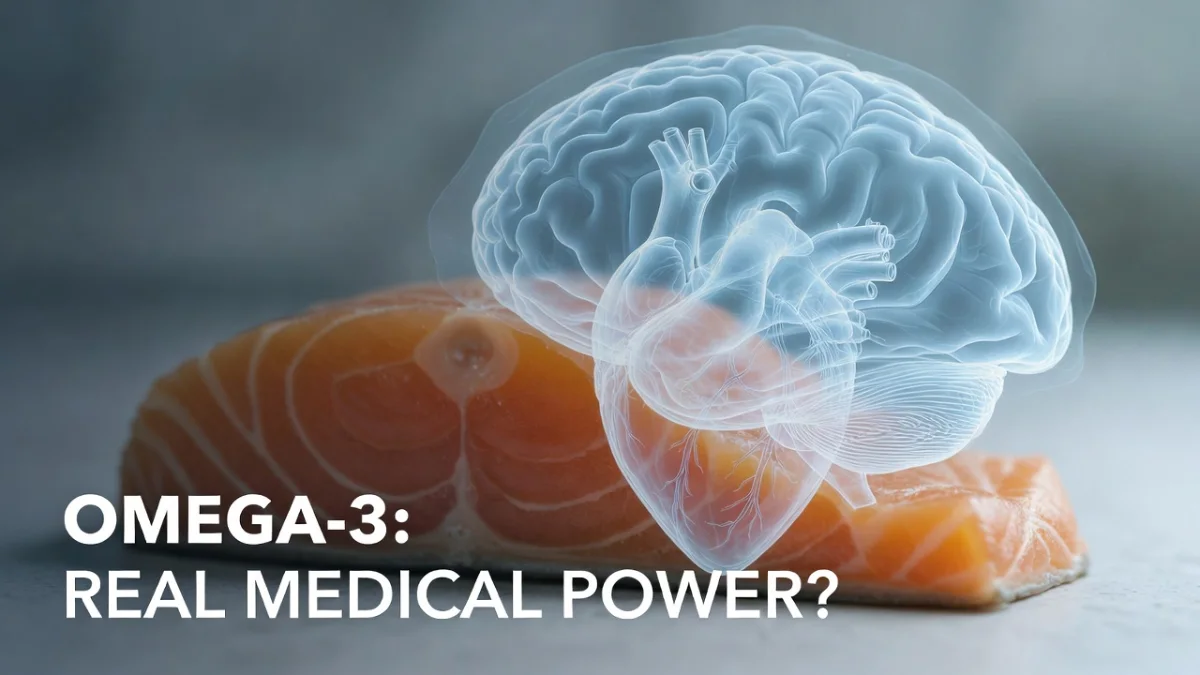
Everyone knows fish oil or flaxseed oil is “good for you,” right? But what if omega-3 fatty acids aren’t just another trendy supplement – what if they actually pack serious medical punch for heart health, mood, inflammation, and more? The truth is, these essential fats have been studied intensely, and while results can be mixed, emerging evidence (especially on pure EPA) points to real benefits that go way beyond basic nutrition.
In 2026, with fresh meta-analyses and trials rolling in, the conversation around omega-3s is shifting from “maybe helpful” to “potentially game-changing” for certain conditions. If you’re dealing with heart risks, depression, chronic inflammation, or just want to optimize your health, this could be worth paying attention to. Let’s cut through the hype, look at the science, and see where omega-3s truly shine.
Also Read



What Are Omega-3 Fatty Acids, and Where Do They Come From?
Omega-3s are a family of polyunsaturated fats your body can’t make on its own – you have to get them from food or supplements. The main players are:
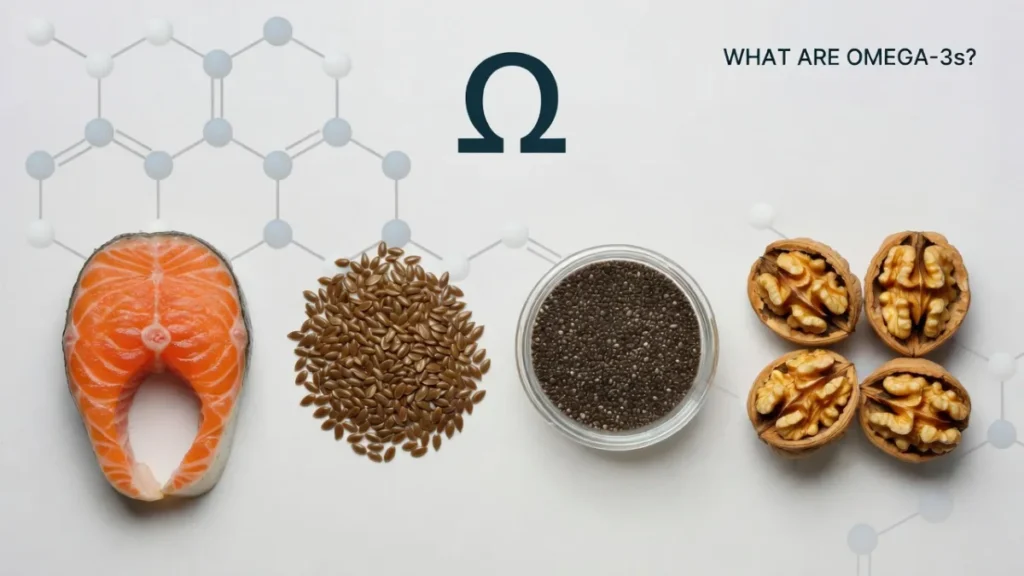
- ALA (alpha-linolenic acid): Found in plant sources like flaxseeds, chia seeds, walnuts, and canola oil. Your body converts a tiny bit to the active forms, but it’s not very efficient.
- EPA (eicosapentaenoic acid) and DHA (docosahexaenoic acid): The long-chain powerhouses from fatty fish (salmon, mackerel, sardines), algae (vegan option), and fish oil supplements.
These fats build cell membranes, fight inflammation, and influence everything from brain function to blood vessel health. That’s why experts say eating fatty fish twice a week is ideal – but supplements step in when diet falls short.
Heart Health: Where the Evidence Gets Strongest (Especially for EPA)
Cardiovascular benefits have been the biggest battleground for omega-3 research – some big trials showed modest effects, others none, leading to controversy.
But recent meta-analyses tell a clearer story: omega-3s (particularly pure EPA) can reduce cardiovascular events, mortality, and things like heart attacks or need for procedures.
One large 2025-2026 update found omega-3 supplementation linked to lower cardiovascular mortality, non-fatal heart attacks, and major events – with EPA monotherapy often outperforming combos of EPA + DHA. In high-risk groups (like people with diabetes or on dialysis), benefits appear even stronger, with hazard ratios showing 20-40% risk reductions in some cases.
Why the difference? Pure EPA seems to work better at stabilizing plaques, reducing triglycerides, and calming inflammation without some downsides of mixed formulas.
That said, not all studies agree – some show no big impact on overall risk in low-risk people, and there’s a small uptick in atrial fibrillation (irregular heartbeat) with higher doses. Still, for those with existing heart issues, the upside often outweighs that risk.
Mood and Depression: A Promising Add-On, Especially When Inflammation Is High
Depression treatments are tough – meds help many, but not everyone. Enter omega-3s as a potential sidekick.
Multiple recent reviews and trials highlight that high-dose EPA (over 1 g/day, often 60%+ of the formula) shows antidepressant effects, especially in people with elevated inflammation markers (like CRP or IL-6).
One match-mismatch study found omega-3s worked better in “inflamed depression,” improving fatigue and sleep too. Another large analysis tied higher EPA/DPA intake to lower mortality in depressed individuals, partly via immune pathways.
Not all trials pan out – some in kids/teens or general populations show no edge over placebo. But when targeted to inflamed or severe cases (often as add-on to antidepressants), the evidence looks promising.
Fighting Inflammation and Other Surprising Benefits
Omega-3s are natural anti-inflammatories – they dial down cytokines and help resolve chronic low-grade inflammation.
This ties into:
- Rheumatoid arthritis: Reduced pain and stiffness in some studies.
- Chronic pain (migraine, muscle soreness): Moderate relief, especially with consistent use.
- Brain and eye health: DHA is huge for brain development and retinal function; some cognitive perks in older adults with higher omega-3 status.
- Vascular function: Better endothelial health and less arterial stiffness.
Recent work even shows dose-response patterns – benefits often kick in around 1-2 g/day of EPA/DHA, with some effects stronger at lower doses for certain outcomes.
The Catch: Not a Miracle Cure, and Form Matters
Omega-3s aren’t risk-free. High doses can slightly raise bleeding risk or atrial fibrillation in some people. Quality varies wildly – look for triglyceride form (better absorbed) over ethyl esters, and check for purity (no heavy metals).
In places like Germany, pure EPA monotherapy isn’t always available, which might limit options since evidence favors it over mixed EPA/DHA for heart benefits.
Always talk to a doctor before starting high doses, especially if you’re on blood thinners or have health conditions.
Quick Takeaways: Who Might Benefit Most?
Here are the standout scenarios backed by current evidence:
- High triglycerides or existing heart disease – especially pure EPA
- Depression with inflammation markers up
- Chronic inflammatory conditions like RA
- Anyone low on fish intake wanting brain/eye support
Eating fatty fish regularly is still the gold standard. Supplements fill gaps when needed.
Final Thoughts: Omega-3s Are More Than a Supplement
The science on omega-3 fatty acids keeps evolving, but the message in 2026 is clear: these aren’t just “nice-to-have” nutrients. With targeted use – high EPA, right doses, right people – they offer real therapeutic potential for heart, mood, and inflammation issues.
They’re not a replacement for standard treatments, but a smart add-on that could make a meaningful difference.
Do you take omega-3s regularly? Have you noticed benefits for heart health, mood, or pain? Share your experience in the comments – real stories help cut through the noise.


