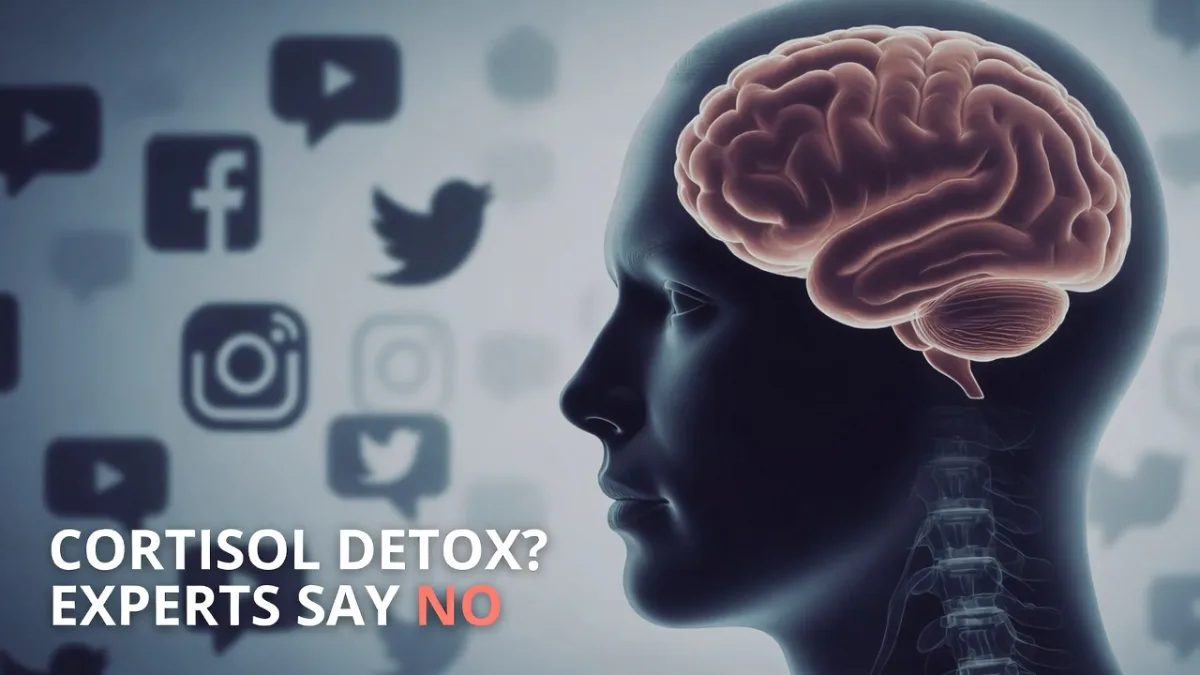
If you spend any time on TikTok, Instagram, or wellness forums, you’ve almost certainly run into the “cortisol detox” wave. People talk about “cortisol face” (puffy cheeks and rounded features), “cortisol belly” (that stubborn midsection fat), chronic exhaustion, brain fog, hair thinning, poor sleep — all blamed on chronically elevated cortisol from modern stress. The proposed solutions range from innocent-sounding habits (more sleep, gentle yoga, anti-inflammatory foods) to highly questionable ones: special “cortisol cocktails,” expensive supplements, at-home saliva tests, strict “detox” protocols, and even claims that you can “flush” excess cortisol out of your system.
The trend is everywhere — and it’s growing fast. But in January 2026, Germany’s top nutrition society (DGE – Deutsche Gesellschaft für Ernährung) and leading endocrinologists have issued a very clear public warning: this entire concept is scientifically unfounded, unnecessary for the vast majority of people, and in some cases potentially harmful.
Also Read


Cortisol Is Not a Toxin You Need to “Detox”

The fundamental misunderstanding starts here: cortisol is not a harmful waste product that builds up and needs to be purged.
Cortisol is one of the most important hormones in your body. Produced by the adrenal glands, it helps regulate:
- Your wake-sleep cycle (highest in the early morning, lowest at night)
- Blood sugar and energy availability
- Blood pressure
- Immune system activity
- The body’s response to physical and psychological stress
Without adequate cortisol you couldn’t get out of bed, respond to danger, or maintain basic metabolism. Trying to aggressively “lower” or “detox” it is like trying to detox oxygen — it makes no physiological sense.
The normal daily cortisol curve (high in the morning, gradually declining throughout the day) is healthy. Short-term spikes during exercise, deadlines, arguments, or illness are also completely normal and necessary. Only in rare medical diseases — primarily Cushing’s syndrome (usually caused by long-term high-dose steroid medication or very uncommon tumors) — do persistently and pathologically high cortisol levels cause the dramatic symptoms (central obesity, moon face, muscle wasting, thin skin, etc.) that influencers often attribute to everyday stress.
For almost everyone experiencing typical modern-life stress, cortisol levels remain within a healthy range even if they feel chronically tired or overwhelmed.
The Problems With Popular “Cortisol Detox” Advice
- Misleading at-home testing Many influencers promote cheap saliva or urine cortisol test kits sold online. Experts say these are unreliable: they don’t account for the natural daily rhythm, are easily affected by collection time/technique, and frequently produce confusing or false results that create unnecessary anxiety.
- Overpromising quick fixes While better sleep, balanced meals, moderate exercise, and stress management techniques are genuinely helpful for overall health, they don’t work by “detoxing cortisol.” They support better regulation of the entire stress-response system — a much more complex and useful goal.
- Potential for harm Extreme low-carb “detox” diets, very high-dose supplements, or overly restrictive protocols can backfire: they may increase stress (ironically raising cortisol), cause nutrient deficiencies, disrupt sleep, or lead to disordered eating patterns.
- Creating health anxiety The biggest damage may be psychological. Normal ups and downs get pathologized. People start worrying about a hormone they can’t feel or see, buy unnecessary products, and feel guilty when they can’t “fix” something that wasn’t broken.
What Actually Helps When You Feel Chronically Stressed?
The good news is that many of the healthy habits promoted within the trend do matter — just for the right reasons.
Proven, evidence-based ways to support healthy stress regulation and cortisol rhythm include:
- Prioritizing consistent, high-quality sleep (7–9 hours, same bedtime/wake time)
- Regular moderate physical activity (walking, cycling, strength training — overdoing intense workouts can temporarily raise cortisol)
- Eating regular, balanced meals with adequate protein, fiber, and micronutrients (skipping meals or extreme restriction increases stress hormones)
- Practical stress-reduction tools: mindfulness, deep breathing, progressive muscle relaxation, time in nature
- Limiting caffeine and alcohol in the evening
- Maintaining social connections and setting reasonable boundaries
If you’re experiencing severe, persistent symptoms (extreme fatigue, unexplained weight changes, very high blood pressure, easy bruising, etc.), don’t guess with online trends. See your family doctor. Real hormonal evaluation (blood tests done at specific times of day, possibly with additional diagnostics) is the only way to determine whether something medical is actually going on.
The Bottom Line in January 2026
The “cortisol detox” trend is a perfect example of how social media can take one real biological concept (stress affects hormones) and turn it into a simplified, marketable problem with easy answers that don’t hold up under scientific scrutiny.
Cortisol isn’t the enemy. It’s an essential, life-sustaining hormone that your body is designed to manage beautifully under normal circumstances. The goal shouldn’t be to “detox” it — it should be to live in a way that supports overall resilience, good sleep, balanced nutrition, and reasonable stress management.
Next time you see a post about cortisol face or cortisol belly, remember the experts’ clear message: for the overwhelming majority of people, no cortisol detox is needed — or even possible.
Have you come across this trend yourself? Did it make you curious, worried, or skeptical? I’d love to hear how these viral health ideas are landing in real life.





 Important Notice -The content on this website is provided for general informational and educational purposes only. It is not a substitute for professional medical advice, diagnosis, or treatment. Always consult a qualified healthcare provider before making any health-related decisions.