
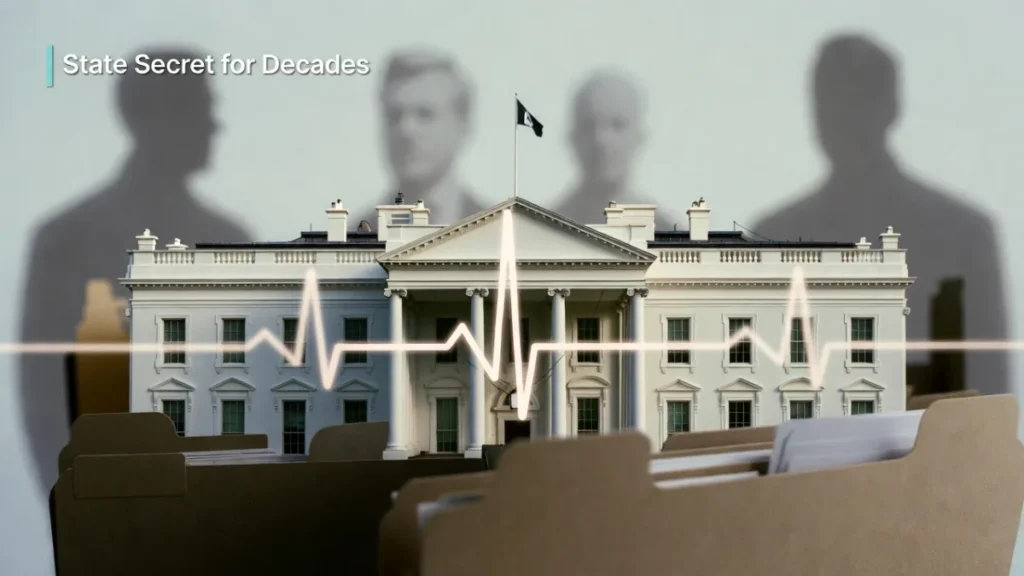
The health of the President of the United States isn’t just a private matter—it’s a potential national security issue that can shake markets, alliances, and public confidence. Yet for much of American history, serious illnesses, surgeries, and disabilities have been carefully hidden, downplayed, or outright denied by the White House. From cancer operations on yachts to concealed strokes and heart attacks, the pattern is clear: transparency has been the exception, not the rule.
This topic has fascinated observers for decades, and German medical experts have explored it in depth, highlighting how presidential health secrecy has repeatedly turned into a crisis factor. As we sit in January 2026—with recent debates around former leaders like Biden and ongoing questions about current ones—the old question remains: How much should the public really know about the leader of the free world’s physical and mental fitness?
Also Read



A Tradition of Concealment: Key Historical Examples
The story starts early. In 1893, President Grover Cleveland underwent secret surgery to remove a cancerous tumor from his mouth—performed on a friend’s yacht to avoid public panic during an economic recession. His team denied all rumors, and the truth only emerged years later.
Franklin D. Roosevelt set one of the most notorious precedents. Paralyzed from the waist down by polio since 1921, FDR was never photographed in a wheelchair. The press cooperated, capturing him only standing or seated in ways that hid his disability. He ran for—and won—a fourth term in 1944 despite severe heart failure and hypertension, conditions kept from voters. He died just months into that term.
Dwight D. Eisenhower’s case was more mixed. He suffered a major heart attack in 1955 while in office, initially described vaguely as a “digestive upset.” But his doctors eventually provided daily updates, turning the event into a public education moment about heart health—which helped his approval ratings and re-election. Still, earlier illnesses (like a stroke in 1957) were minimized.
John F. Kennedy hid a long list of chronic conditions, including Addison’s disease (requiring daily medications), severe back pain, and other ailments that demanded up to eight pills a day. His team attributed treatments to old Navy injuries, keeping the full picture secret until after his assassination.
Ronald Reagan’s administration downplayed the extent of injuries after his 1981 assassination attempt (significant blood loss) and later signs of early dementia. Staff carefully managed public appearances.
Even more recent examples fit the pattern. Donald Trump’s COVID-19 diagnosis in 2020 was presented in ways that minimized severity. Joe Biden’s team faced accusations of concealing cognitive decline and other issues during his presidency, with medical summaries sometimes questioned for completeness.
Why the Secrecy? Politics, Stability, and Fear of Weakness
The reasons are straightforward: fear that revealing frailty could crash economies, embolden enemies, or derail elections. In the nuclear age, any hint of incapacity raises questions about the 25th Amendment (which allows the vice president and cabinet to declare a president unable to discharge duties). Yet invoking it is politically explosive.
The White House physician plays a central role—often appointed by the president, serving at their pleasure, and balancing medical ethics with political loyalty. There’s no federal law requiring presidents or candidates to release detailed health records. HIPAA and state privacy laws protect confidentiality, though Congress can investigate (as seen in recent oversight probes). Voluntary summaries are common, but full records? Rare.
The Risks: When Secrecy Becomes a Crisis
History shows the dangers. Woodrow Wilson’s massive stroke in 1919 left him incapacitated for 18 months—his wife Edith effectively ran things, with the public largely in the dark. FDR’s hidden decline meant a vice president (Harry Truman) unprepared for the presidency at a critical moment.
In modern times, incomplete information can fuel speculation, erode trust, and even affect markets or foreign policy. Public polls repeatedly show most Americans want more transparency from presidents and candidates, yet the system relies on voluntary disclosure.
Calls for Change—and Why It’s Hard
Experts argue for more openness: mandatory independent exams, detailed public reports, or clearer 25th Amendment protocols. But forcing disclosure raises ethical issues—presidents deserve doctor-patient confidentiality, especially for stigmatizing conditions like mental health. Coercion might deter leaders from seeking care.
In practice, the balance remains delicate. Some presidents (like Eisenhower) gained from transparency; others paid a price for secrecy. With advanced age becoming the norm for candidates, the debate feels more urgent than ever.
Final Thoughts: Transparency vs. Privacy in the Highest Office
The health of the US president is a unique mix of personal privacy and public interest. While no law mandates full disclosure, history warns that excessive secrecy can create bigger problems than the illnesses themselves. In an era of instant information and intense scrutiny, the old playbook of concealment is harder to sustain—but it’s not gone yet.
What do you think—should presidents be required to release detailed health records, or is voluntary disclosure enough? Have recent events changed your view on this? Share below.





 Important Notice -The content on this website is provided for general informational and educational purposes only. It is not a substitute for professional medical advice, diagnosis, or treatment. Always consult a qualified healthcare provider before making any health-related decisions.