You’ve probably seen them everywhere – those colorful yogurt drinks, capsules promising a happier tummy, and ads claiming probiotics will fix everything from bloating to low energy. Billions are spent yearly on these “good bacteria” supplements, with everyone swearing they’ll balance your gut and boost your immunity. But hold on. What if taking probiotics routinely isn’t just unnecessary… but could sometimes do more harm than good?
In 2026, as gut health remains a massive trend, experts are pushing back harder than ever. Recent reviews and guidelines reveal that probiotics aren’t a magic fix for everyone. In many cases, there’s little solid proof they help, and for certain people, they might even cause issues. If you’re popping probiotics daily “just in case,” this might change how you think about them. Let’s unpack the facts, the wins, the warnings, and what you really need to know.
Also Read

What Are Probiotics, Anyway, and How Do They Supposedly Work?
Probiotics are live microorganisms – mostly bacteria like Lactobacillus or Bifidobacterium, sometimes yeasts – that, when taken in the right amounts, are meant to add beneficial bugs to your gut microbiome.
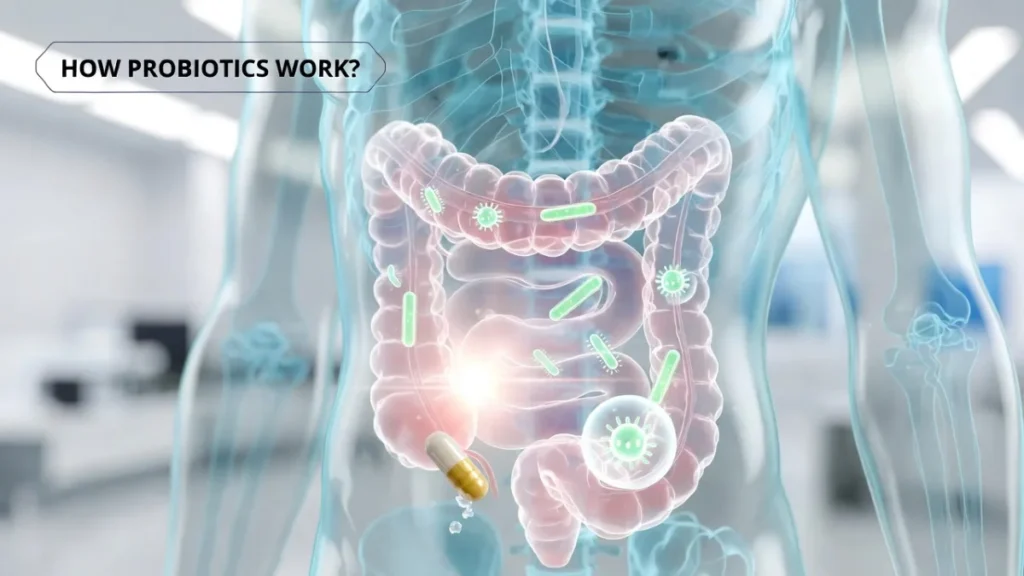
Your gut is home to trillions of microbes that help digest food, fight bad germs, and even influence mood and immunity. The idea is that probiotics restore balance after disruptions like antibiotics or poor diet.
They’re in fermented foods (yogurt, kefir, sauerkraut, kimchi) or supplements. Sounds great, right?
But here’s the catch: not all probiotics are the same. Different strains do different things, and what works in one study might flop in real life. Plus, your unique microbiome means results vary wildly person to person.
When Probiotics Actually Shine: The Proven Benefits
Don’t get me wrong – probiotics aren’t useless. There’s strong evidence for specific uses.
One big win is preventing antibiotic-associated diarrhea. Antibiotics wipe out bad bacteria but also good ones, often leading to loose stools or worse (like C. difficile infections). Certain strains, like Saccharomyces boulardii or Lactobacillus rhamnosus GG, can cut that risk significantly.
They’re also helpful for:
- Some cases of acute infectious diarrhea, especially in kids
- Reducing symptoms in pouchitis (a complication after ulcerative colitis surgery)
- Possibly easing irritable bowel syndrome (IBS) symptoms for some people – though results are mixed and strain-specific
- Preventing necrotizing enterocolitis in premature babies (but with big warnings, more on that later)
Guidelines from groups like the American Gastroenterological Association (AGA) and World Gastroenterology Organisation support these targeted uses. For example, if you’re on antibiotics, a specific probiotic might protect your gut.
Short punch: They work best when your microbiome is disrupted, not as daily maintenance for healthy folks.
The Flip Side: Why Probiotics Aren’t Always Beneficial
Here’s where it gets eye-opening. Many claims – better immunity, weight loss, clearer skin, less anxiety – lack robust proof.
Large reviews show:
- No strong evidence for preventing colds or allergies in healthy adults
- Mixed or weak results for IBS, Crohn’s, or ulcerative colitis remission
- Little benefit for general digestive health in people without issues
A key 2019 article from Germany’s Deutsches Ärzteblatt highlighted this: routinely prescribing probiotics with every antibiotic lacks convincing evidence. Manufacturers push it hard, but studies don’t back blanket use.
Recent 2025-2026 updates echo that. The AGA still doesn’t recommend probiotics for most digestive conditions due to insufficient data. Healthy people? No need for routine supplements.
Why? Your gut often recovers on its own. Adding foreign bacteria might not stick around or could crowd out your natural ones.
The Risks: When Probiotics Could Harm You
Probiotics are generally safe for healthy folks – side effects like gas or bloating are mild and temporary.
But they’re not risk-free, especially for vulnerable groups.
Rare but serious issues include:
- Infections (bacteremia or fungemia) from the probiotics themselves, particularly in immunocompromised people, hospital patients, or those with weakened barriers (like severe pancreatitis)
- In premature infants: The FDA warned in 2023 (still relevant in 2026) about severe, even fatal infections from probiotics given to preemies
- Potential delay in microbiome recovery after antibiotics – some studies found probiotics slowed natural regrowth
Experts stress: Avoid in critically ill, post-surgery, or severely immune-suppressed patients unless strictly supervised.
Here’s a quick list of who should be cautious or avoid supplements:
- Premature babies
- People with weakened immune systems (chemo, HIV, transplants)
- Severe gut issues or recent major surgery
- Central venous catheters or serious illnesses
For everyone else, food sources are safer than high-dose pills.
What Does 2026 Science Say? Latest Guidelines and Trends
Current guidelines are clear: Strain-specific, targeted use only.
- AGA (2020, unchanged majorly): Only recommend for three scenarios – certain antibiotic diarrhea prevention, preterm necrotizing enterocolitis (with caution), and pouchitis
- No broad thumbs-up for IBS, IBD, or general health
- Newer research explores “next-generation” probiotics (like Akkermansia) for obesity or inflammation, but they’re not ready for prime time
Focus has shifted to prebiotics (fiber that feeds your existing good bacteria) and overall diet – veggies, fruits, fermented foods.
The 2025-2030 US Dietary Guidelines nod to gut health via whole foods, not supplements.
Bottom line: Save probiotics for when you really need them.
Smarter Ways to Support Your Gut Health
Want a thriving microbiome without risks?
- Eat diverse plants: Aim for 30+ types weekly
- Include natural fermented foods: Yogurt, kefir, kombucha (in moderation)
- High-fiber diet: Beans, whole grains, nuts
- Stay active, manage stress, get good sleep
- Only use supplements if recommended by your doctor for a specific issue
If antibiotics are coming, ask about evidence-based strains.
Wrapping Up: Probiotics – Helpful Tool, Not Daily Essential
Probiotics have their place – they’re lifesavers in targeted situations like antibiotic side effects. But the hype often outruns the science. For most healthy people, they’re not necessary, might not help, and in rare cases could harm.
In 2026, the message is balanced: Listen to your body, prioritize food over pills, and consult pros for personalized advice.
Have you tried probiotics? Did they help, or was it a waste? Share your experiences below – real stories cut through the marketing noise.


