
Feeling constantly tired, gaining weight for no reason, or dealing with dry skin and hair loss? These classic signs often point to hypothyroidism, and L-thyroxine (levothyroxine, or LT4) is the go-to medication that helps millions feel like themselves again. But here’s the thing: it’s not just about popping a pill every morning. Using it wisely – right dose, right timing, right patient – makes all the difference between thriving and just getting by (or even risking over-treatment).
In 2026, with fresh guidelines from groups like the European Thyroid Association (ETA) and American Thyroid Association (ATA), the focus is on precise, evidence-based use. Whether it’s overt hypothyroidism, the tricky gray zone of subclinical cases, pregnancy, or older adults, the message is clear: levothyroxine works best when tailored. Let’s break down how to use it sensibly, what the latest recommendations say, and why it still rules as the first-line therapy.
Also Read



The Basics: Why Levothyroxine Is the Treatment of Choice
Levothyroxine is synthetic T4 – the main hormone your thyroid normally makes. Your body converts it to active T3 as needed, mimicking natural production.
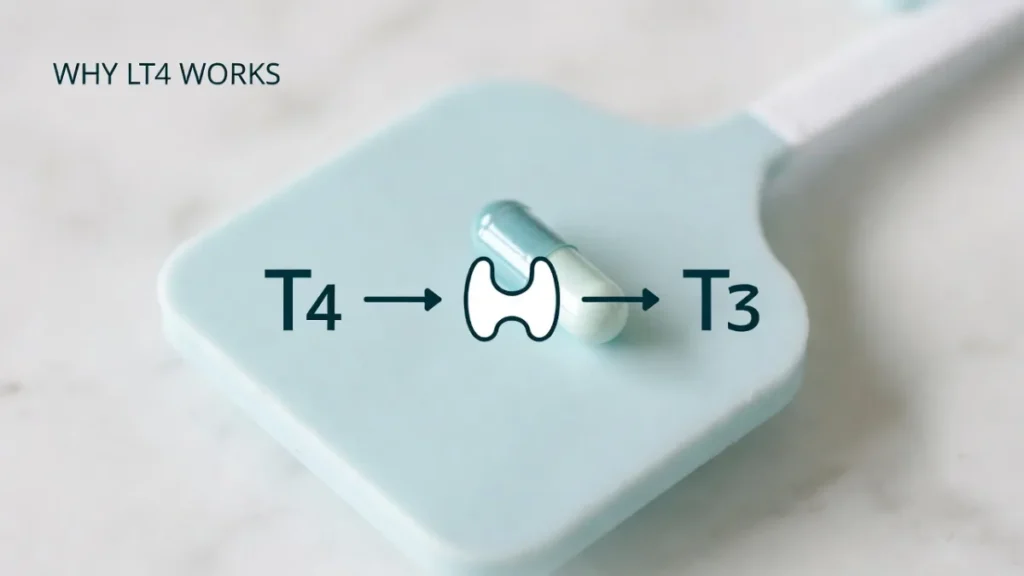
It’s preferred over alternatives (like desiccated thyroid extracts or T3 combos) because:
- It’s stable, predictable, and has a long half-life (so once-daily dosing works)
- It effectively resolves symptoms in most people with overt hypothyroidism
- Large reviews show it safely normalizes TSH, the key marker doctors use to monitor thyroid function
Major guidelines (ATA 2014, updated insights, and ETA 2025) all agree: levothyroxine monotherapy is the standard for hypothyroidism worldwide.
When to Start Treatment – Overt vs. Subclinical Hypothyroidism
Overt hypothyroidism (high TSH + low free T4) is straightforward – treat almost everyone to avoid serious complications like heart issues, high cholesterol, and fatigue.
Subclinical hypothyroidism (elevated TSH with normal T4) is where decisions get nuanced:
- If TSH >10 mIU/L: Treat with levothyroxine – clear benefits in preventing progression to overt disease, reducing cardiovascular risk, and improving symptoms.
- If TSH 4.5–10 mIU/L: More individualized. Consider treatment if symptoms are present, positive thyroid antibodies (TPOAb), rising TSH over time, high lipids, or planning pregnancy. In many mild cases (especially elderly), watchful waiting is fine.
- For the elderly (>70–80 years): Higher TSH targets (often up to 5–7 mIU/L) are acceptable; starting treatment in mild cases may not help and could cause harm.
Recent studies (2024–2025) suggest levothyroxine slightly lowers cardiovascular event risk in some subclinical cases, but benefits are modest in mild forms.
Dosing: Start Low, Go Slow, and Adjust Carefully
The goal is to normalize TSH (usually 0.4–4.0 mIU/L, lower half for younger patients).
Standard starting doses:
- Healthy adults: 1.5–1.6 µg/kg body weight daily (e.g., 100–125 µg for average adult)
- Elderly or heart disease: Start very low (25–50 µg) to avoid strain
- Pregnancy: Often need higher doses (30–50% more) due to increased demand
Always take it on an empty stomach, 30–60 minutes before food/coffee, and separate from calcium/iron supplements by 4 hours.
Check TSH 6–8 weeks after starting or changing dose, then every 6–12 months once stable.
Special Situations Where Smart Use Matters Most
Pregnancy: Hypothyroidism can affect mom and baby. Screen high-risk women early. Treat overt cases fully; for subclinical (TSH >4.0 mIU/L), levothyroxine often reduces preterm birth risk, especially with antibodies.
Children: Treat promptly to support growth and brain development. Subclinical cases may need monitoring rather than automatic treatment.
Elderly: Be cautious – over-treatment risks atrial fibrillation, osteoporosis, or fractures. Many older patients with mild elevations do well without meds.
Poor absorption issues: If doses seem too high (e.g., >2 µg/kg), check for celiac, H. pylori, atrophic gastritis, or meds interfering.
Risks of Over- or Under-Treatment – The Balancing Act
Too little: Persistent symptoms, weight gain, heart strain.
Too much (suppressed TSH): Bone loss, heart rhythm problems, anxiety.
Recent data shows many patients are slightly over-replaced, so regular monitoring is key.
No strong evidence supports routine T3 combos or desiccated thyroid for most – levothyroxine alone wins for safety and simplicity.
Quick Tips for Getting the Most from Levothyroxine
- Take it consistently at the same time
- Avoid interfering foods/supplements
- Get TSH checked regularly
- Report symptoms – don’t just chase numbers
- Discuss individual factors with your doctor (age, antibodies, comorbidities)
The Bottom Line in 2026
Levothyroxine isn’t a one-size-fits-all miracle, but when used thoughtfully – based on guidelines from ETA, ATA, and ongoing research – it’s incredibly effective and safe for hypothyroidism.
The key is personalization: Treat overt disease aggressively, approach subclinical cases carefully, adjust for life stages, and monitor closely.
If thyroid issues are dragging you down, a proper evaluation and smart levothyroxine use can make a huge difference.
Have you been on levothyroxine? Did you need dose tweaks, or did it work smoothly from the start? Share your experience below – it helps others navigate this common but tricky condition.





 Important Notice -The content on this website is provided for general informational and educational purposes only. It is not a substitute for professional medical advice, diagnosis, or treatment. Always consult a qualified healthcare provider before making any health-related decisions.